
Find a way back to understanding each other.
When conversations feel difficult or connection feels distant, it can help to have someone alongside you. A space to slow down, hear one another, and explore what needs to change.
A free 15 minute conversation to explore getting started.

The relationship matters.
So does each person in it.
Sometimes you know what you want to say, but it comes out differently. Sometimes it feels easier to say nothing at all. Over time, the space between you can become harder to bridge.
You may be seeking support as partners or as a family. Perhaps something has changed, or familiar patterns are getting in the way. Therapy offers time to understand each person’s experience and explore a different way of relating.
You can care deeply about each other and still need support finding your way forward.
Couples therapy
Space to talk about what is happening between you, what each of you needs, and the relationship you want to build.
- Communication and recurring disagreements
- Emotional distance and intimacy
- Trust, hurt, and repair
- Parenting pressures and life transitions
- Questions about your future together
Family therapy
Space for different experiences to be heard, shared difficulties to be understood, and relationships to receive thoughtful attention.
- Communication across different perspectives
- Conflict and feeling misunderstood
- Changing roles and family transitions
- Boundaries, expectations, and connection
- Finding ways to move forward together
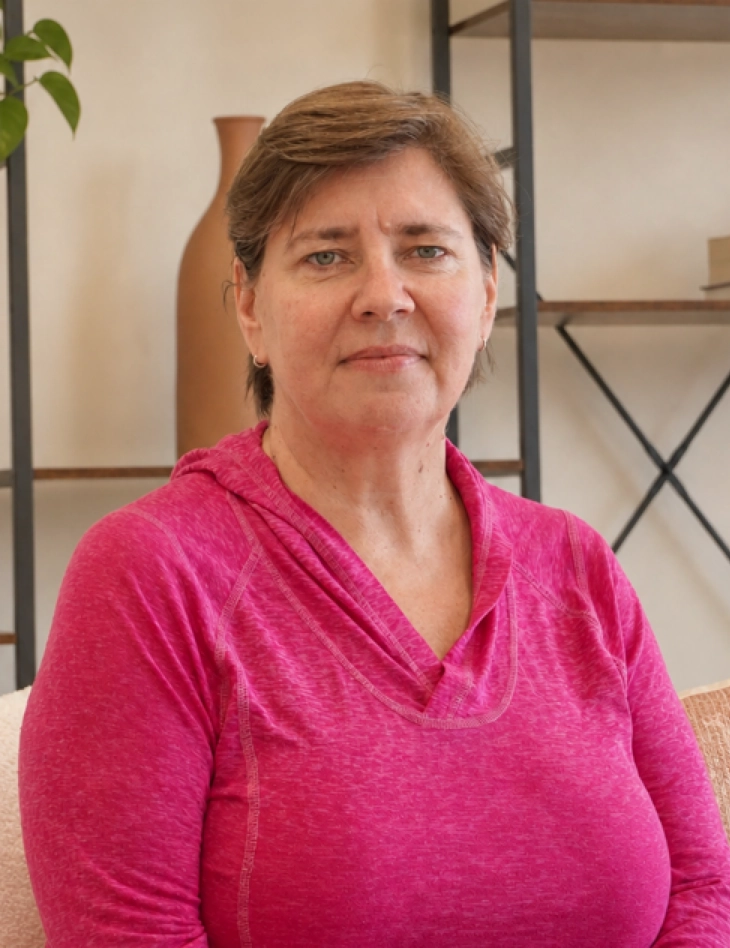
Meet Kristina Marshall.
Registered Psychotherapist
Over 18 years of experience with couples and familiesKristina offers a steady, respectful space to explore the stories that have shaped your relationships and the ones you hope to write next.
Her work brings a narrative and trauma informed perspective, with attention to each person’s strengths, experiences, and understanding of what matters. Her couples work includes Emotionally Focused Therapy.
Whether you are coming as partners or as a family, a first conversation is an opportunity to ask questions and learn more about working with her.
A conversation.
A little more clarity.
You do not need to arrive with the same perspective or all the answers. The starting point is understanding what brings you here and what support could look like.
Meet for a free consultation.
Ask questions, share what you are looking for, and get a sense of Kristina’s approach during a 15 minute conversation.
Make room for each perspective.
Discuss your concerns, hopes, and relationship context. Kristina will talk with you about who should attend and how sessions will be structured.
Choose a meaningful direction.
Agree on goals, explore patterns, and work on changes that matter to you. Revisit the direction and pace of therapy as the work develops.
Before you begin.
A few practical details to help you take the next step. You can also bring your questions to the consultation.
Who offers couples and family therapy at BelMind?
Kristina Marshall, Registered Psychotherapist, offers couples and family therapy at BelMind Therapeia. She brings over 18 years of experience working with couples and families. Read Kristina’s full profile.
Can we attend in person or virtually?
Appointments are available in person in Thunder Bay and virtually across Ontario. Discuss your preferred format and any practical arrangements with Kristina when booking.
Who should attend a family therapy appointment?
Start by discussing who is seeking support and what you hope to work on. Kristina can clarify which family members should attend, the age groups she works with, and consent arrangements before the first appointment.
What if we are not equally ready to begin?
You can use the consultation to discuss that uncertainty without committing to ongoing sessions. Kristina can explain the process and talk through appropriate next steps.
How many sessions will we need?
There is no fixed number promised on this page. Discuss your goals, session frequency, and how progress will be reviewed with Kristina as you plan the work together.
What should we check with our insurance provider?
Before booking, ask your insurer whether your plan covers sessions with a Registered Psychotherapist, whether couples or family sessions are eligible, and whose name must appear on the receipt. Confirm current billing arrangements with the clinic.
What if I have concerns about speaking openly together?
Let Kristina know privately before a joint session if you are worried about fear, pressure, or consequences for what you share. The suitability and format of joint sessions need to be considered before proceeding.
Make space for what matters between you.
Meet Kristina, ask your questions, and explore what couples or family therapy could look like for you.
Have a practical question first? Contact us
In person appointments · Virtual care across Ontario